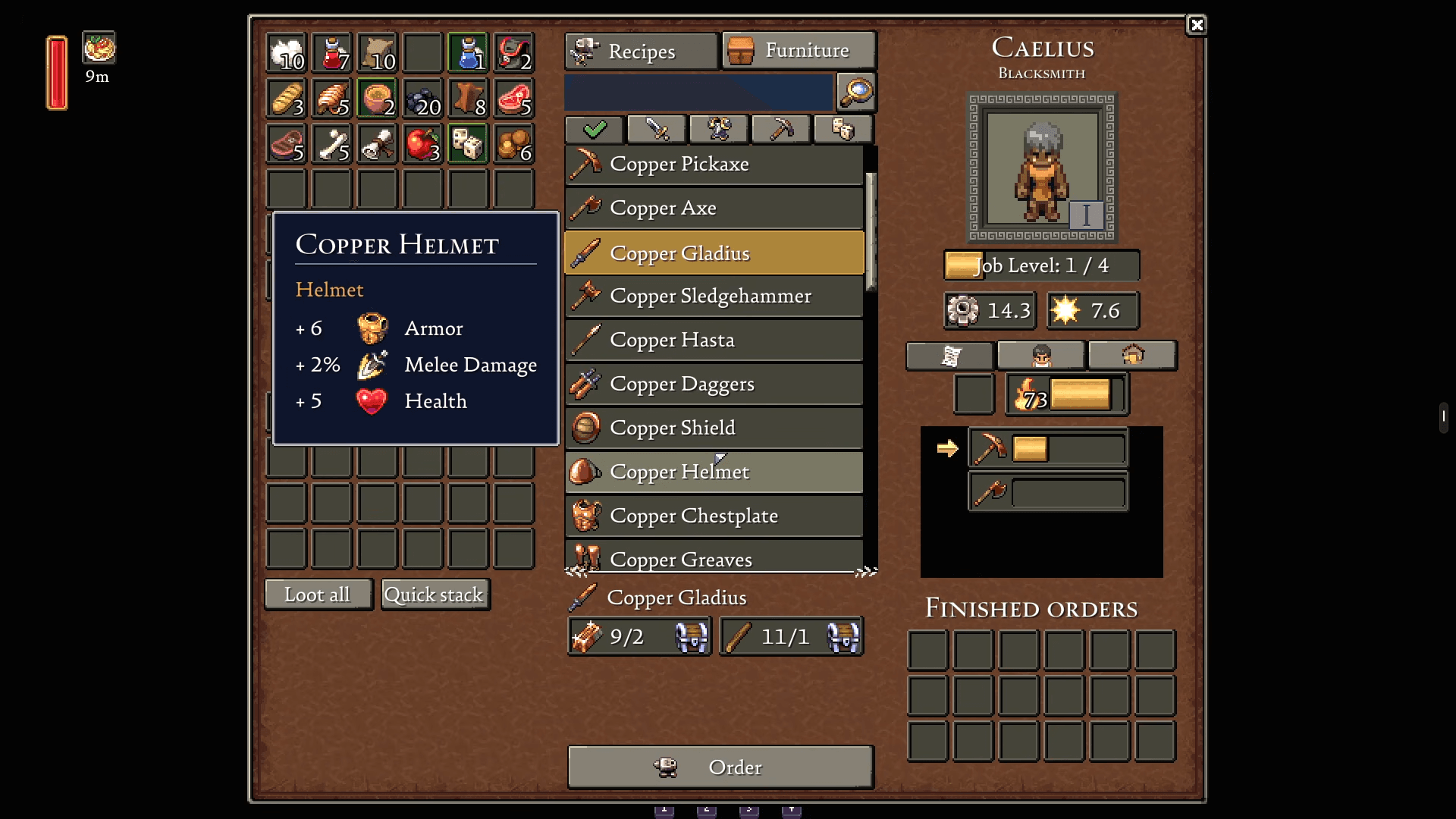
Settlement Planning
Romestead Building Guide: build order, citizens, storage, and defense
Buildings are not decoration. They decide food demand, worker output, crafting access, hauling distance, and night defense. Bad build order creates starvation and wasted walking time.
Raw reference checked May 29, 2026: Romestead wiki item and building entries.
Quick Answer
The correct building logic is simple: feed people first, assign work second, expand third, defend fourth. If a new building does not solve food, storage, production, progression, transport, or defense, it is premature.
Recommended Build Order
| Step | Build | Reason | Role |
|---|---|---|---|
| 1 | Empty House | Only add housing when a job and food buffer already exist. | Population |
| 2 | Material Storage | Stops base materials from becoming scattered and unreadable. | Logistics |
| 3 | Food Storage | Keeps citizen food separate from construction materials. | Survival |
| 4 | Lumber Yard | Wood flow decides whether expansion feels smooth or stuck. | Production |
| 5 | Leatherworker | Early armor and survival gear reduce deaths before metal gear. | Gear |
| 6 | Farm Land + Farmstead | Turns settlement growth into a sustainable food economy. | Food |
| 7 | Blacksmith | Metal gear, shields, weapons, and upgrades push mid-game progress. | Combat |
| 8 | Altar | Offerings and god progression unlock powerful settlement direction. | Progression |
| 9 | Roads + Wooden Cart | Movement and hauling upgrades cut hidden travel tax. | Efficiency |
| 10 | Walls + Traps | Night attacks punish open storage and scattered citizens. | Defense |
Citizen Rules
House after job
Build the workplace first, then add housing. A citizen without work is only a food drain.
Food before growth
Keep a cooked-food buffer before adding a new citizen. Raw wheat is not the same as ready food.
Cluster jobs
Put workers near the storage they need. Every long walk repeats hundreds of times.
One problem at a time
If food, lumber, and defense are all failing, fix food first. Starvation collapses every other plan.
Layout Plan
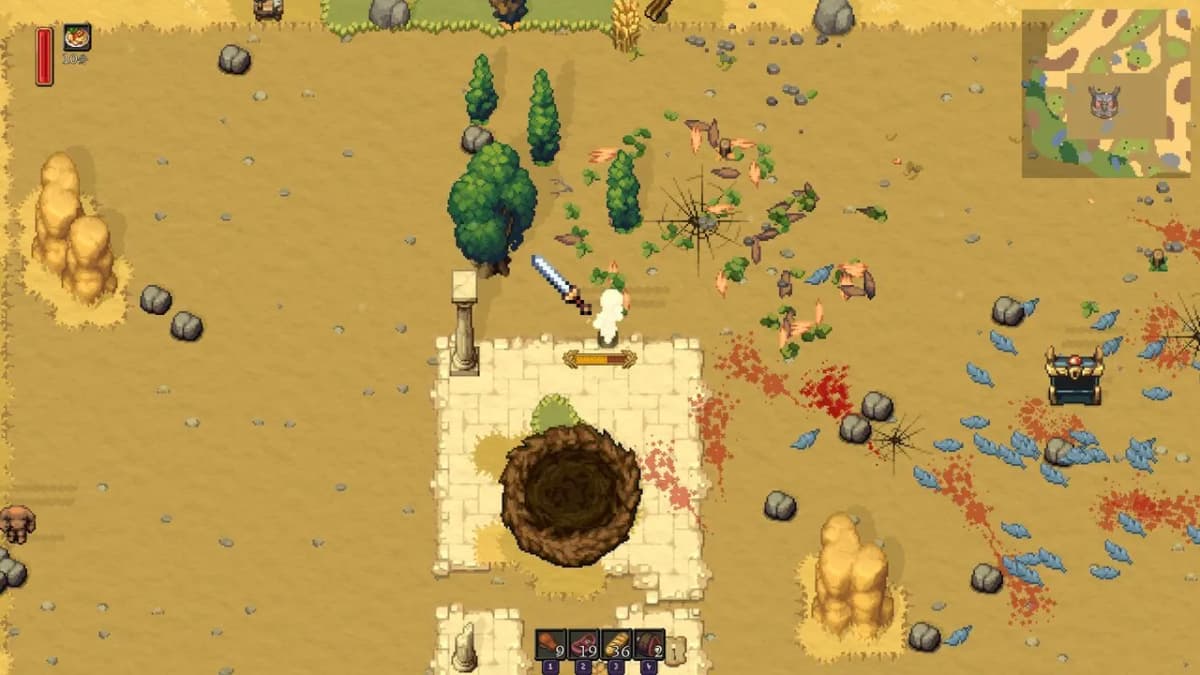
Town Core
Keep citizens, food, and altar access close. This is the area you protect first.
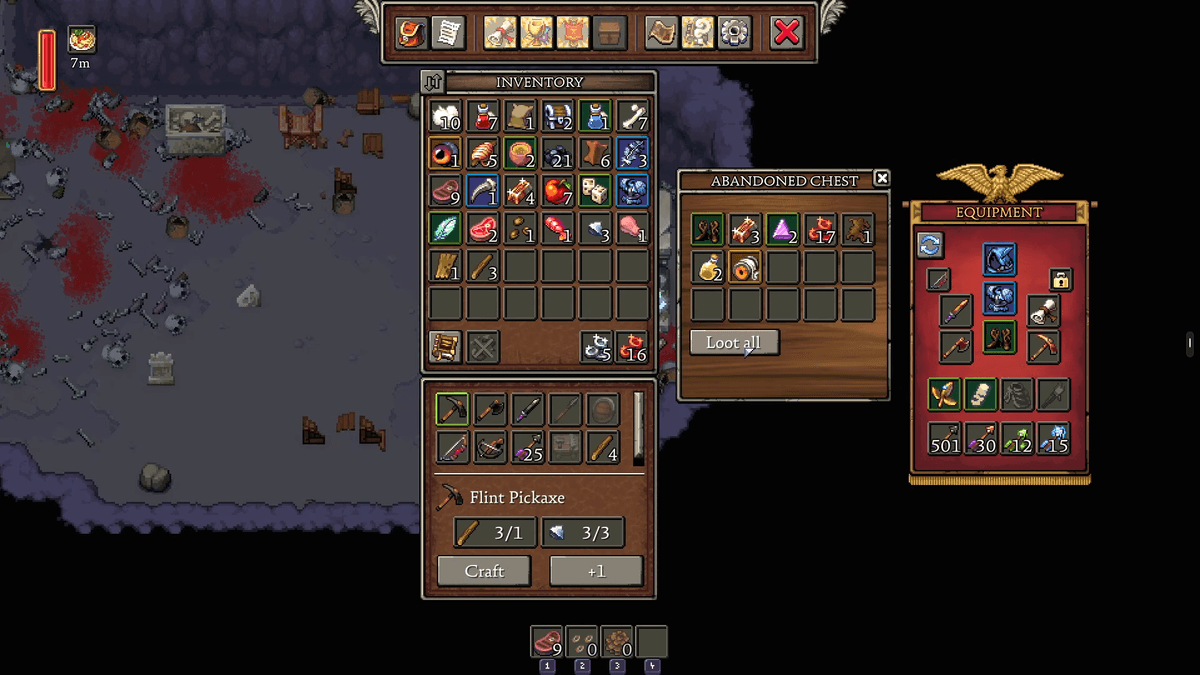
Industry Edge
Put loud production near material storage, not in the middle of farming lanes.
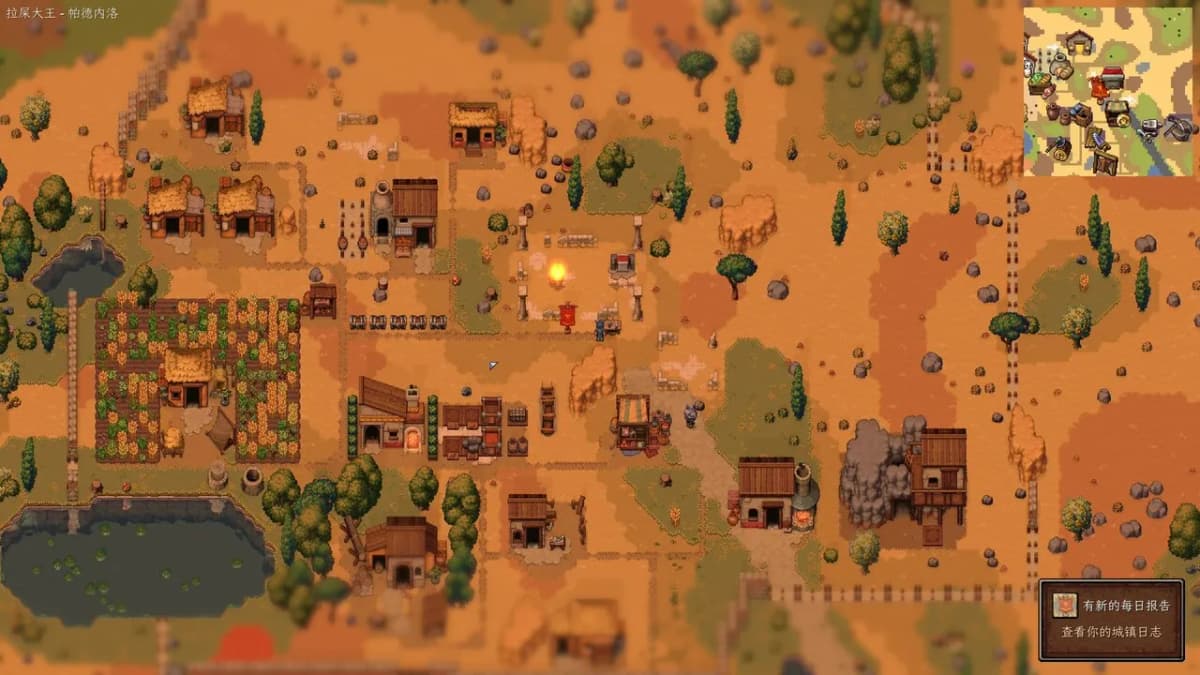
Farm Belt
Farms need room. Do not trap them behind houses, walls, or workshop sprawl.
Material Storage, Chests, and Layout
Romestead material storage is a logistics building, not a decoration. Put it where workshops, quarry routes, roads, and construction actually happen. For remove chest, pick up chest, or moving storage questions, current checked data does not confirm a reliable relocation mechanic.
Material Storage
Put Material Storage near workshops, roads, quarry routes, and construction zones. Romestead material storage should reduce walking, not hide resources in the town center.
Food Storage
Keep Food Storage close to citizens, farms, and cooking output. Mixed food and building storage makes shortages harder to see.
Chests
Use chests for short-term loot sorting, but do not treat them as a confirmed relocation tool. Current checked data does not confirm a reliable remove chest or pick up chest mechanic.
Layout
Romestead layout should keep citizens, food, and altar access protected while industry stays near materials.
Quarry Planning
Romestead quarry matters when construction and mineral demand start slowing expansion. The current god data places Quarry in Vulcan progression, so building and worship planning connect.
| Quarry Topic | Decision |
|---|---|
| Unlock path | Quarry is tied to Vulcan progression in the god tree data. |
| Use case | Build Quarry when stone and mineral demand starts blocking walls, upgrades, or construction. |
| Placement rule | Put quarry support near Material Storage and transport routes so output does not become walking tax. |
Defense Layers
Defense works when it buys time and controls enemy movement. A single wall line is weaker than a layered plan.
Outer delay
Wood or stone walls buy time; they do not win fights alone.
Controlled gates
Use gates to decide where enemies enter instead of defending every side equally.
Trap lanes
Coal traps and tight paths punish predictable night movement.
Ranged support
Catapults and scorpios matter more when enemies are delayed in lanes.
Common Building Mistakes
- Building houses because space is empty. Empty space is cheaper than hungry citizens.
- Putting all storage in one pile. Mixed storage hides food shortages and material bottlenecks.
- Walling too early without gates and traps. A wall without a plan is just expensive delay.
- Ignoring roads and carts. Walking time is a production cost, even when the UI does not show it.
- Expanding farms after hunger starts. Food chains need a buffer before the warning appears.
FAQ
What should I build first in Romestead?
Start with housing only when you can give the citizen a job. The practical first route is Empty House, Material Storage, Food Storage, Lumber Yard, Leatherworker, then farming support.
Why should I not spam houses?
Citizens consume food. If a new citizen does not immediately produce something useful, the house turns into a permanent food cost and makes the colony weaker.
Where should storage go?
Material Storage belongs near workshops and construction routes. Food Storage belongs near houses, farms, and cooking. Splitting them makes shortages easier to see.
Can you remove chest or pick up chest in Romestead?
Current checked data does not confirm a reliable remove chest or pick up chest mechanic. Use chests carefully and avoid placing storage where future roads, farms, or walls need to expand.
How to move buildings in Romestead?
Current checked data does not confirm building relocation. Treat buildings as permanent and plan layout before placing houses, storage, farms, and workplaces.
How do you unlock Quarry in Romestead?
Quarry appears in Vulcan progression data. Use the god and altar route when stone, mineral, and construction demand starts blocking your settlement.
When should I build walls?
Build walls after your core food and production loop works. Then wall the town core first, add gates, and layer traps or ranged defenses near predictable entry points.
Are roads and carts worth it?
Yes. They reduce repeated travel waste. The bigger your settlement gets, the more roads and carts matter because hauling distance becomes a hidden production tax.
What makes this page different from a raw wiki list?
This page orders buildings by player decisions: food safety, citizen timing, storage placement, defense timing, and production bottlenecks. A flat item list does not answer those questions.