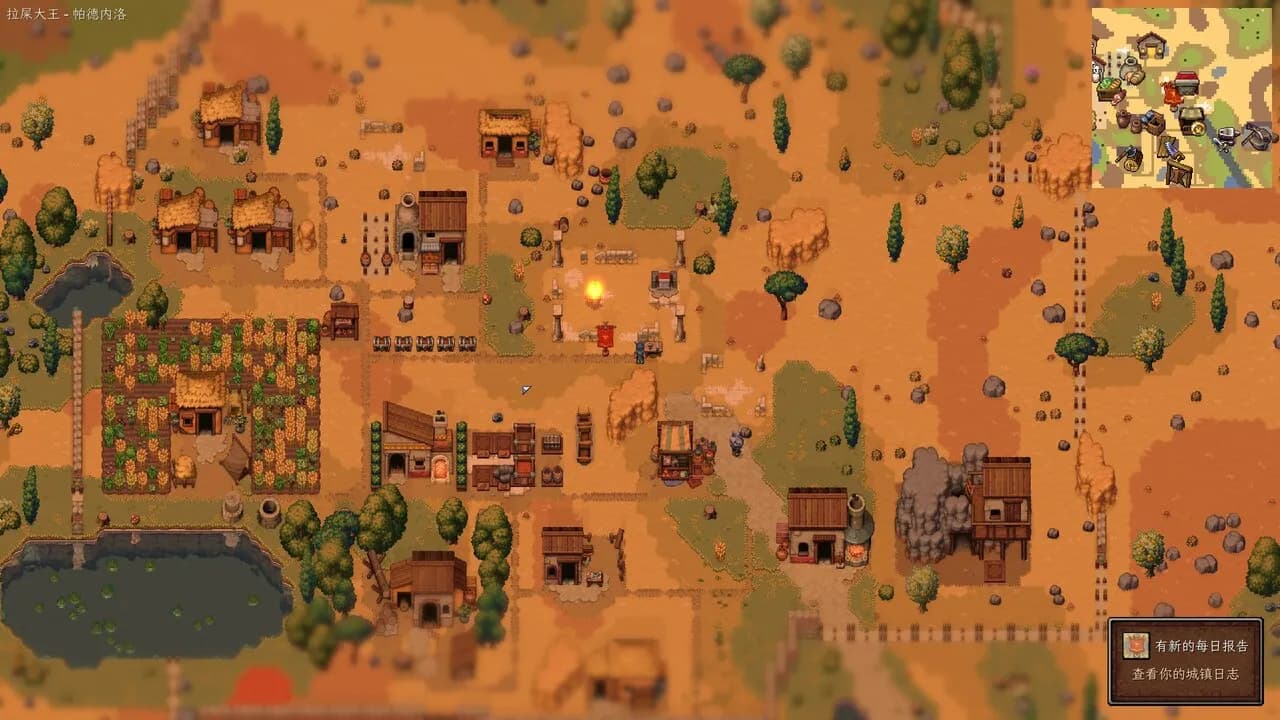
Food Economy
Romestead Farming Planner: grapes, seeds, bread, and Farmstead
Farming is not optional once the settlement grows. Use the planner below to decide whether the next move is wheat, grapes, Farmstead automation, or better storage.
Interactive tool
Food & Seed Planner
Pick the settlement stage and the farming problem. The planner turns crops, grapes, Farmstead, and storage into a next action.
Settlement stage
Current problem
Wheat Seeds
Build the food chain before adding population.
Chain
Wheat to flour to bread
Building
Food Storage before extra houses
Risk
Raw crops do not stabilize citizens until processing and storage are connected.
Next action
Build the food chain before adding population.
Quick Answer
Prioritize wheat, connect it to milling and bread, keep processed food in Food Storage, then add Farmstead automation after the manual chain already works. More citizens before more food is the wrong order.
Seed by Biome
Seed choices should follow biome risk and settlement stage. Early food belongs in safe routes; harder biomes are for prepared scouting and progression.
| Biome | Seed or Food Focus | Decision Rule |
|---|---|---|
| Plains | Wheat Seeds, cabbage, basic crops | Best starter food loop and first settlement support. |
| Forest | Forest-adjacent food and rare tree support | Use after Plains basics; avoid forcing all farms into dense terrain. |
| Desert | Limited farming reliability | Enter after food, armor, and weapon loops are stable. |
| Swamp | Mixed resources from other biomes | Scout carefully; Early Access data marks the biome as unfinished. |
| Volcanic soil | Late-game or special-route farming only | Treat as dangerous progression, not first food planning. |
Processing Chain
The useful question is not just what to plant. Track what each crop becomes and whether that output solves food, economy, or offerings.
| Input | Processed Step | Output Route | Why It Matters |
|---|---|---|---|
| Wheat | Flour | Bread | Best early repeatable food chain. |
| Grapes | Grape paste | Wine route | Mid-game food, economy, and offering support. |
| Olives | Olive paste | Oil route | Support output once staple food is safe. |
| Meat or fish | Cooked food | Emergency buffer | Useful backup, but less stable than planned farming. |
| Honey / fruit | Food variety | Support stock | Good after the basic bread loop works. |
Food Chain
Plant
Place Farm Land and plant seeds where farmers can reach them quickly.
Harvest
Collect wheat, fruit, herbs, or crop output before expanding population.
Process
Use milling and production buildings for flour, bread, oil, wine, or other outputs.
Store
Put finished food near citizens. Raw ingredients alone do not stabilize the colony.
Buffer
Add citizens only after cooked or processed food is already ahead of demand.
Crops and Seeds by Purpose
Staple Crops
Best early food backbone. Wheat matters because it leads into flour and bread.
Herbs and Utility
Useful for potion-style progression and support items. Do not prioritize them before basic food is stable.
Vineyard and Oil
Useful for wine, olives, offerings, and broader food economy once the base is stable.
Trees and Bushes
Longer-horizon food and resource support. Leave expansion room before planting.
Grapes and Wine
Romestead grapes come from Grape Seeds and matter most after the bread chain is stable. Use grapes and wine for food variety, offering routes, and economy support, but do not delay wheat, flour, bread, and Food Storage just to start a vineyard early.
| Item | Source | Use | Decision Rule |
|---|---|---|---|
| Grape / grapes | Grape Seeds | Wine and food economy | Plant after wheat is stable; grapes are useful but not the first survival crop. |
| Wine | Grapes | Offerings, food variety, and economy | Treat wine as a mid-game support output, not the first food buffer. |
| Apricot | Apricot Tree Sapling | Tree fruit and long-term farm variety | Leave orchard room before planting apricot trees. |
| Blackberry | Blackberry Bush Seed | Bush fruit and farm variety | Useful once staple crops are already feeding citizens. |
| Flour | Wheat | Bread chain | Mill wheat into flour before baking bread. |
| Cheese | Food output | Food variety | Track it as finished food, not as a replacement for bread early. |
Best Seeds to Plant First
If you are searching for the Romestead best seed, the answer is not the rarest seed. The best seed is the one that solves your current bottleneck: wheat for bread, cabbage for support, grapes for wine later, and apricot or blackberry only after the farm has room.
Best seed for survival
Wheat Seeds
Wheat is the safest best seed because it creates flour and bread.
Best seed for simple food
Cabbage Seeds
Cabbage is useful food support, but it does not replace the bread chain.
Best seed for wine
Grape Seeds
Grapes matter once food is stable and you want wine or broader food value.
Best long-term planting
Apricot Tree Sapling / Blackberry Bush Seed
Trees and bushes are useful after the base has room and food buffers.
Food Outputs to Track
| Output | Use |
|---|---|
| Bread | Reliable settlement food once wheat, milling, and baking are connected. |
| Cooked meat | Strong emergency food when hunting or combat creates raw meat. |
| Cheese / fish / garum | Useful variety and trade-style food value depending on progression. |
| Wine / olives / honey | Food, offerings, and economy support after early survival. |
| Potions | Health and energy support for combat, bosses, and long travel. |
Planning Rules
Food Storage near people
Citizens need accessible food. Do not hide all finished food beside far farms.
Farms need empty space
A farm belt blocked by houses forces awkward expansion later.
Process before expansion
Wheat in a chest is not bread. Fix the station chain before adding mouths.
Track the weak link
If farms are full but food is low, the bottleneck is processing or storage, not seeds.
Farmstead vs Farmer
Farmstead is the building; farmer is the worker role that helps nearby crops. Treat Farmstead automation as a mid-game labor upgrade. If farms are too far away, storage is misplaced, or processing is missing, a farmer only makes the broken loop run faster.
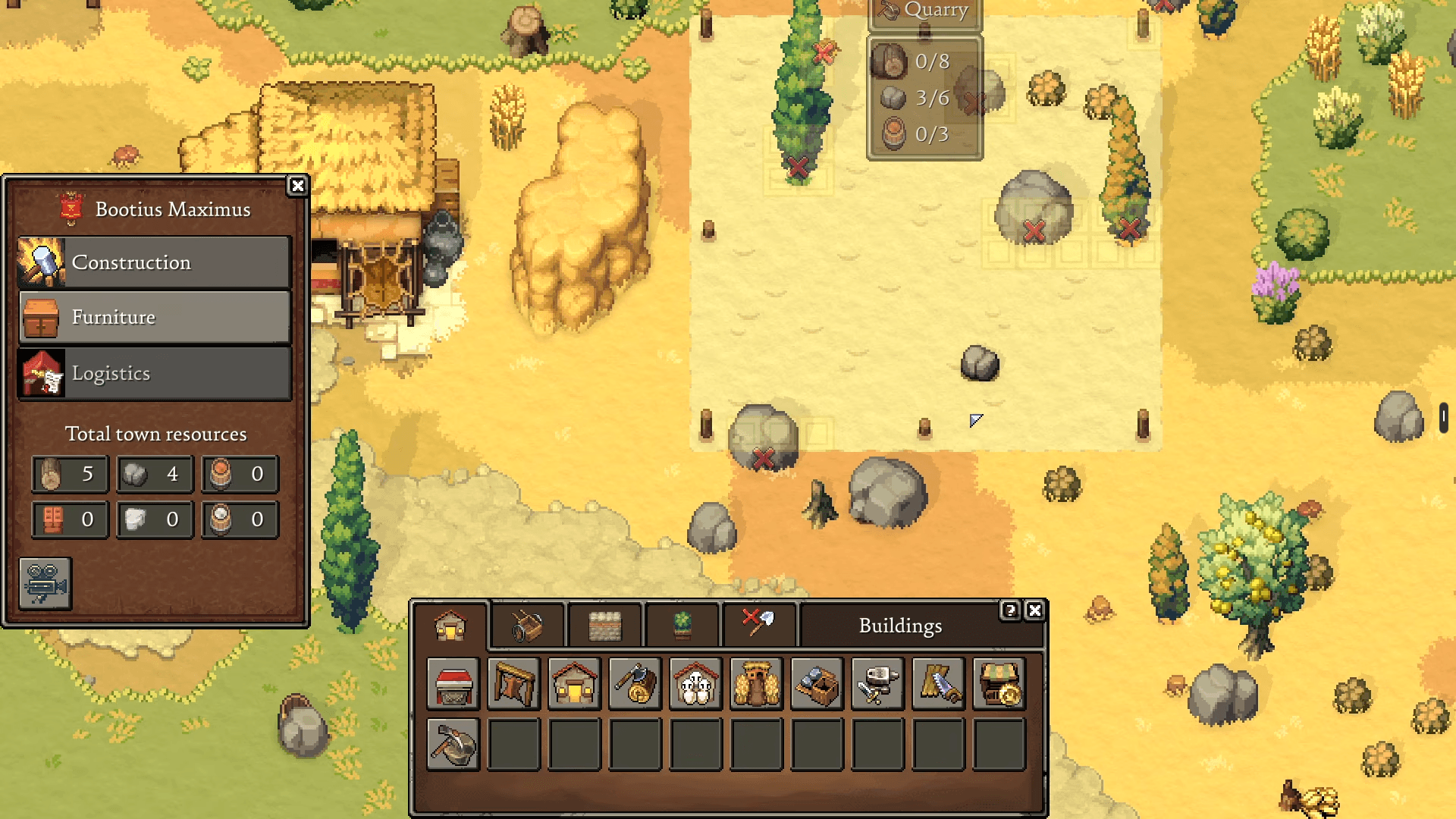
Common Farming Mistakes
- Adding houses because the farm looks large. Food demand rises immediately; harvest and processing may lag.
- Treating raw wheat as a food solution. Wheat still needs the milling and bread chain.
- Putting farms behind walls without clear gates. Farmers waste time walking around your own defense.
- Planting every seed equally. Staple food beats variety until the colony is stable.
- Using Farmstead as a magic fix. Automation helps a working farm loop; it does not replace planning.
FAQ
What is the best early crop in Romestead?
Wheat is the safest early backbone because it leads into flour and bread. Cabbage helps, but wheat creates a stronger repeatable food chain.
Why are my citizens still hungry when I have crops?
Crops are not always finished food. If raw ingredients are not processed, cooked, or placed into accessible Food Storage, citizens can still fall behind on food.
What is the best seed in Romestead?
The best seed for early survival is Wheat Seeds because wheat can become flour and bread. Grape Seeds, Apricot Tree Saplings, and Blackberry Bush Seeds are better after the basic bread loop works.
How do grapes and wine work in Romestead farming?
Grapes come from Grape Seeds and support wine production or broader food economy routes. Do not prioritize grapes or wine before wheat, flour, bread, and Food Storage are stable.
When should I build a Farmstead?
Build Farmstead after you have farms worth automating and a layout where the farmer can reach crops quickly. It is a labor upgrade, not the first food solution.
What is the difference between Farmstead and farmer?
Farmstead is the building; farmer is the worker role tied to that farming loop. A farmer helps nearby crops only when the farm layout, storage, and processing chain are already planned.
Where should farms go?
Put farms in a dedicated belt with room to expand, near water and food routes, but not so deep inside town that houses and workshops block growth.
How much food should I store before adding citizens?
Keep a visible processed-food buffer first. The exact number depends on colony size, but the rule is fixed: add citizens after food is ahead, not after hunger starts.
What makes this guide useful beyond the wiki?
The wiki lists items. This page explains the chain: crop, processing station, storage, citizen timing, and the mistakes that cause starvation.