How to Choose the Best Class & Profession in Romestead: Starting Builds, Citizen Jobs & Workplaces
Updated May 29, 2026 · Early Access Build
Romestead, developed by Beartwigs and published by Three Friends, launched into Early Access on May 26, 2026 at 06:31 UTC. This top-down pixel-art colony builder drops players into a fallen Roman world overrun by nightly zombie incursions. While the game's Steam trailer emphasizes bustling autonomous towns, the reality of its profession and citizen systems is far more hands-on - and often confusing for new players. In this guide, we break down exactly how starting character bonuses work, what each profession actually does, and how to build an efficient colony workforce based on the current Early Access build.
Quick Answer
In Romestead's Early Access build checked May 29, 2026, starting class bonuses (e.g., +5 Melee) have minimal impact. Your true "profession" comes from workplace buildings like Lumberjack and Leather Worker, but citizens only generate resources passively - they do not hunt, gather, or cook.
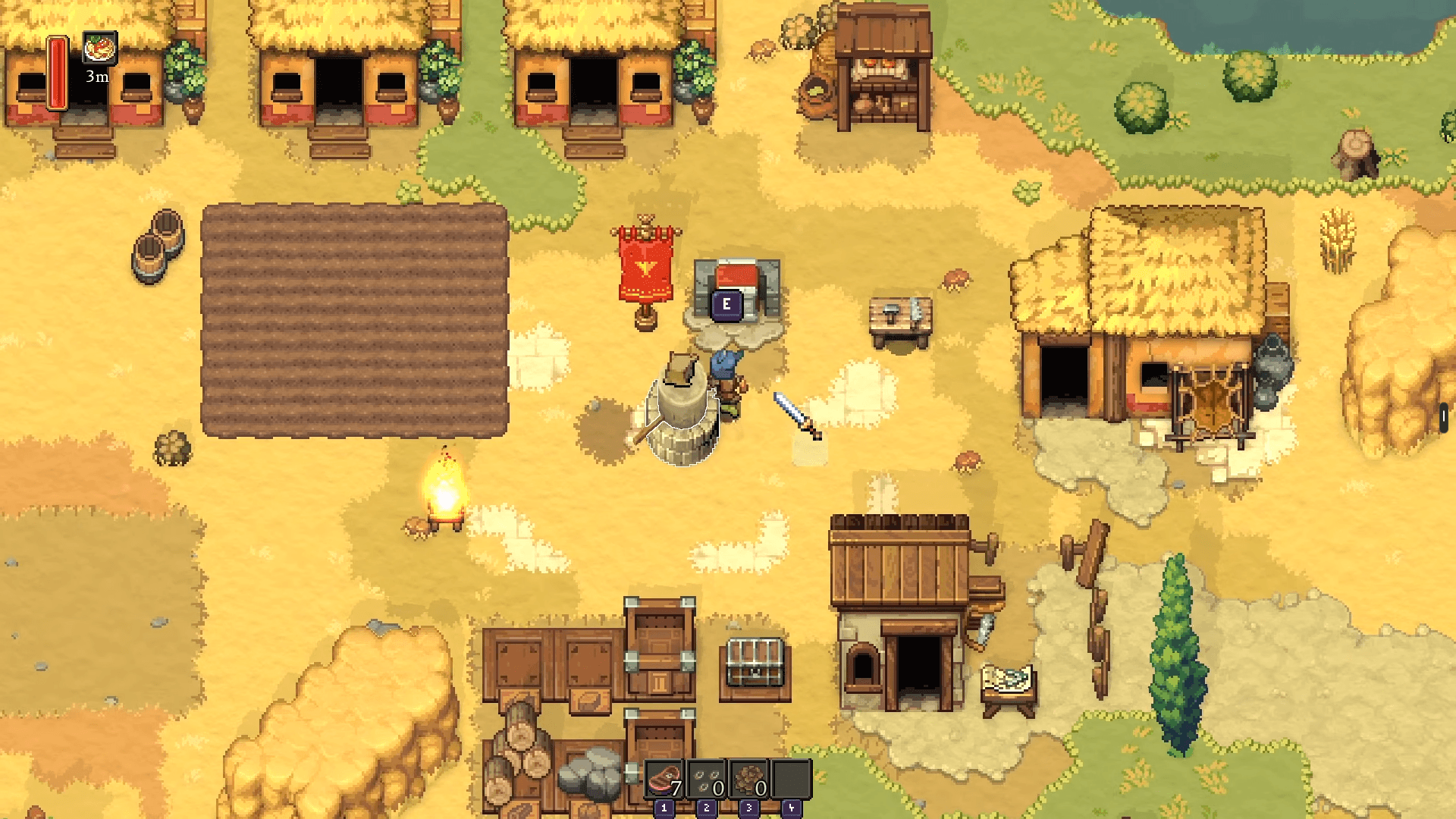
1. Starting Character Creation (The "Class" System)
When you first spawn into the world, Romestead allows you to customize your starting character with a novel bonus.
- Example bonus observed: +5 Melee.
- Our assessment: Based on extensive gameplay and reviewer testing, this starting bonus has negligible long-term impact on your overall power or progression. The game's balance is tied far more heavily to gear crafting and boss progression than to your initial stat allocation.
- Recommendation: Do not overthink min-maxing during character creation. Pick whatever sounds appealing and move on.
2. How the Profession / Citizenry System Actually Works
Romestead's profession system is built around workplace buildings, not traditional RPG classes. Here is how the loop functions:
- Construct a house to attract a citizen.
- Build a specific workplace (e.g., Lumberjack Hut, Leather Worker Shop).
- The citizen will move into the house and "work" at the assigned building.
- You must provide food for every citizen, employed or not.
Critical limitation (checked May 29, 2026): Citizens are passive resource generators, not autonomous NPCs. They do not:
- Physically chop trees or mine ore.
- Hunt wildlife for pelts.
- Pick up, move, or transfer items between storages.
- Cook raw food, even if ingredients are available.
3. Early-Game Professions Breakdown
Lumberjack
- Unlock: Available from the start.
- Placement: Build near trees. You can plant tree seeds nearby to ensure a renewable source.
- Function: The citizen passively generates logs over time. They do not leave the building to chop wood.
- Bottleneck: While logs flow in, you will frequently need stones for upgrades, and the Quarry is not unlocked at this stage, creating a resource wall.
Leather Worker
- Unlock: Part of the early-game tutorial path.
- Function: Acts as a specialized crafting bench. Queue recipes for leather gear (hat, chest, legs).
- Input required: You must manually bring pelts (e.g., bear pelts) to the shop.
- Time cost: Recipes take a long time to complete.
- Grind warning: The first set of leather gear requires approximately 20 bear pelts, representing a significant early-game farming commitment.
Unemployed Citizens
- If you build houses without corresponding workplaces, citizens will remain unemployed.
- They still consume food from your food storage.
- They provide zero benefit to your colony.
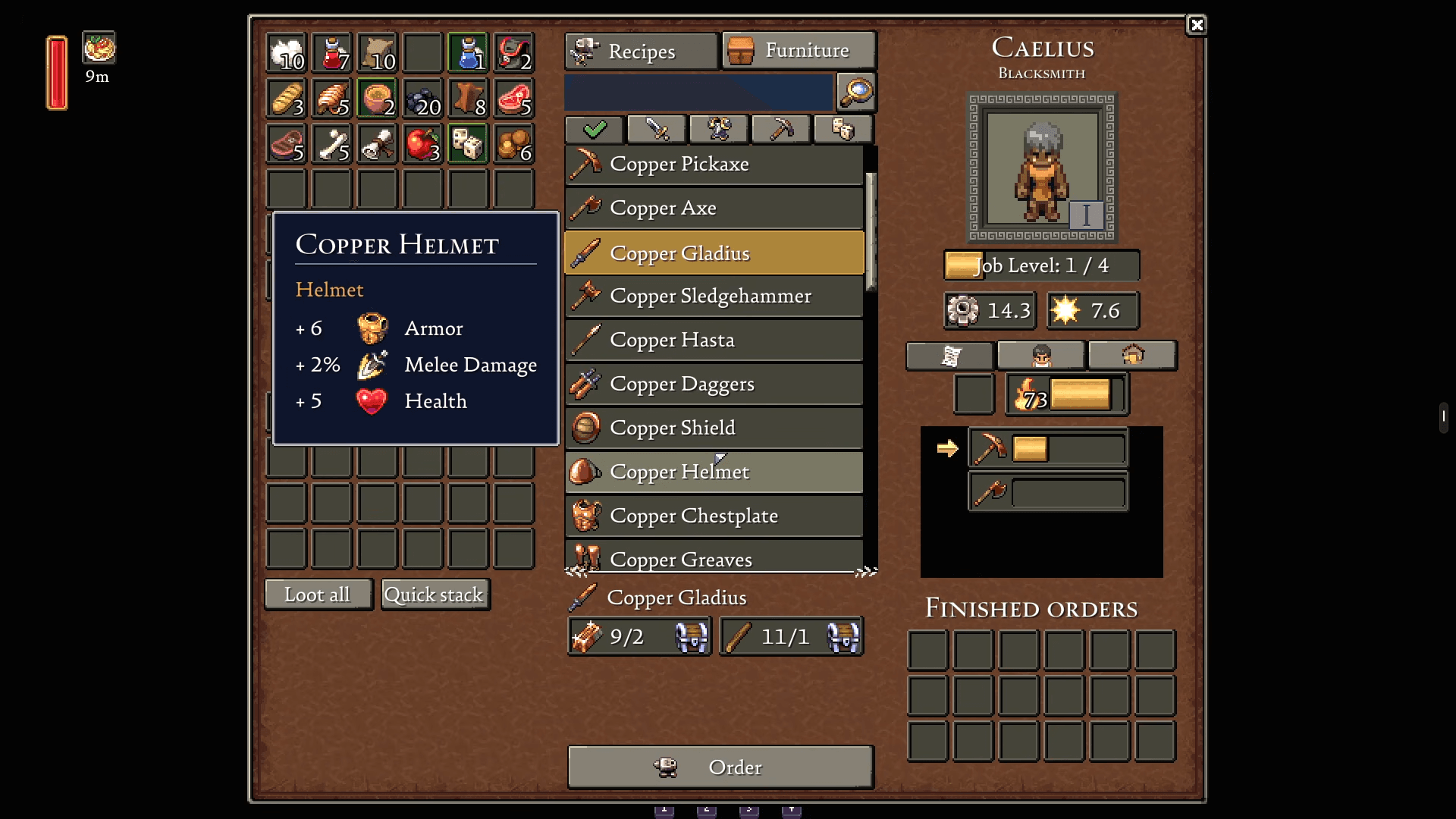
4. Mid-Game Profession Unlock: Farmstead
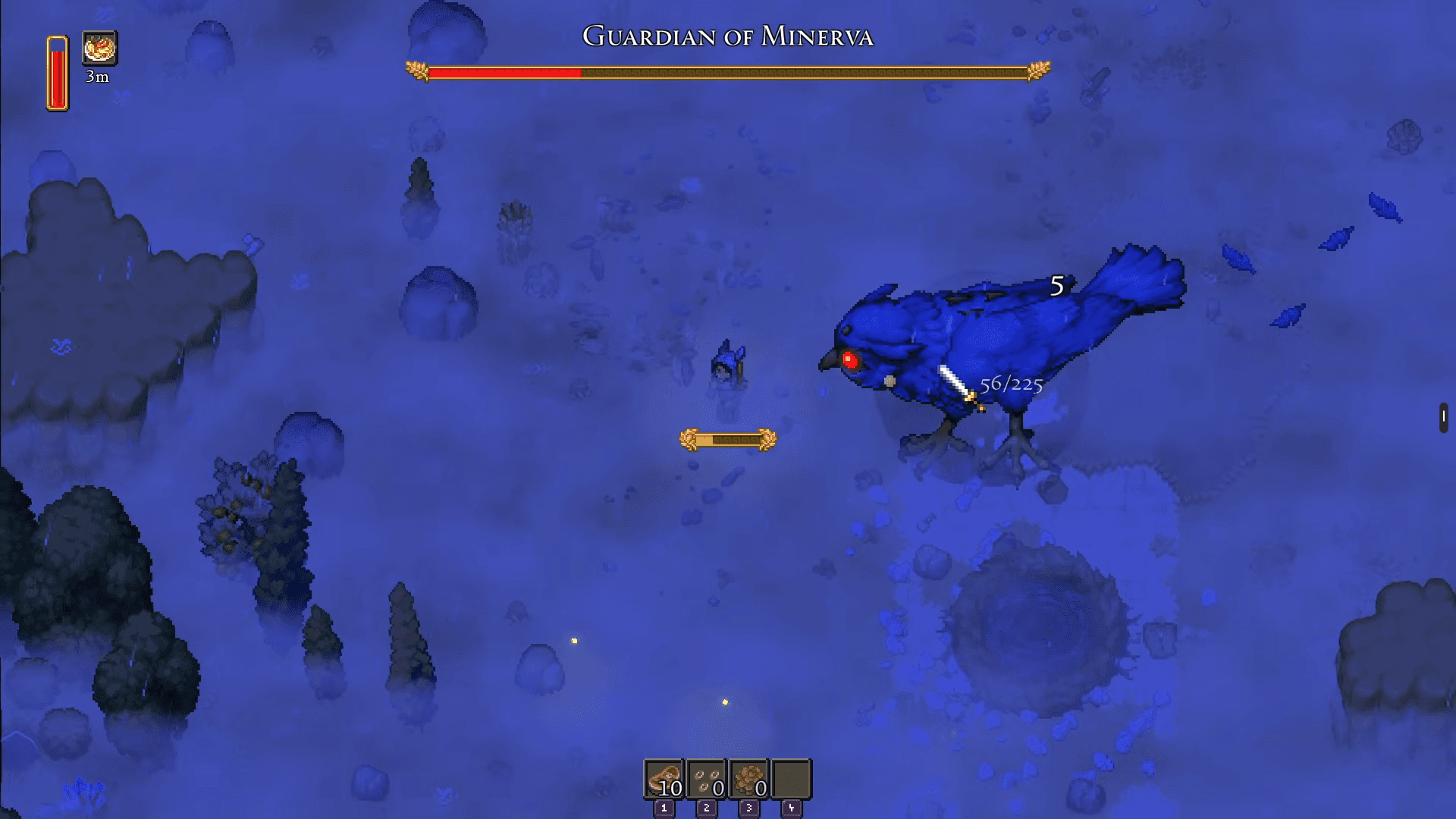
- Unlock condition: Defeat the first region boss (the large bird) and progress through the altar/god questline.
- Function: Similar to the Lumberjack, but for agriculture. It auto-harvests crops in the surrounding area.
- Accessibility: Based on current pacing, this unlock takes several hours of gameplay to reach. The reviewer noted this as a major pacing issue in the Early Access build.
5. The Altar & Blueprint Progression
- Constructing an altar allows you to sacrifice offerings to a god.
- Many offerings are undiscovered, tempting players to experiment by feeding random resources into it.
- Important: The intended critical path is to fight the first boss, not grind altar recipes. Defeating the boss triggers new blueprints, buildings, and profession options.
Advanced Tips & Strategy
Master Physical Transport Early
The game forces you to act as the colony's sole logistics worker. Do not expect citizens to help.
- Log chunks: Trees break into individual log chunks that you can only carry one at a time early on. You must manually haul each piece to your build site.
- Wood plank conversion: To save transport trips, place a log chunk back onto a tree stump and attack it to convert it directly into wood planks.
- Stick farming: To get sticks (used for arrows), pick up rocks and throw them at trees. Rocks bounce unpredictably, so find a rhythm where you can pick up and re-throw without repositioning.
Prioritize the Cart Technology
A cart unlocks later in the technology tree. Once available:
- It allows you to transport multiple logs at once.
- This is the single biggest quality-of-life upgrade for base building. Rush toward it to escape the "one log at a time" grind.
Food Management
- Citizens eat from food storage, but they will not cook raw food.
- You must personally cook all ingredients before depositing them. Raw meat placed in storage will sit there unused while citizens starve.
Build Discipline
- Only construct houses when you have a matching workplace ready.
- Every unemployed citizen is a pure food drain with no return.
Boss Kill = Profession Expansion
- Defeating the first boss unlocks the next tier of blueprints and profession buildings.
- Early leather-worker gear, spears, crossbows, and a shield are all recommended for this fight.
- If melee combat feels inconsistent, the bow-and-arrow cheese strategy (charging shots for bonus damage) is a viable fallback.
Frequently Asked Questions
Q: Does Romestead support dedicated servers for multiplayer?
As of the Early Access build checked May 29, 2026, Romestead supports 1 to 8 player co-op. The reviewer confirmed the game scales from solo play up to eight players. However, there is currently no official dedicated server software or documentation from Beartwigs / Three Friends. Sessions appear to rely on peer-to-peer or basic hosted lobbies. For stable multiplayer, the host should have a reliable connection.
Q: Is Romestead playable on Steam Deck, and does it have full controller support?
Steam Deck certification and native controller support have not been officially detailed at Early Access launch. The game's UI relies heavily on precise mouse-driven inventory management and building placement, suggesting controller support may be limited or require Steam Input customization. We recommend checking the official Steam store page for verified Deck compatibility badges and controller configuration updates.
Q: Can you move buildings after placing them in Romestead?
In the current Early Access build checked May 29, 2026, there is no confirmed building relocation mechanic. Once a structure is placed, it appears to be permanent. The video footage shows buildings being constructed from scratch with no "move" or "deconstruct" option highlighted. Plan your colony layout carefully before committing rare resources like stone and planks.